The Impact of Climate Change on the UK Food System: Navigating the New Seasons
THE IMPACT OF CLIMATE CHANGE ON THE UK
FOOD SYSTEM: NAVIGATING THE NEW SEASONS
Nieves Lovatt, Sustainability Manager (May 2025)
As summer approaches in the UK, the year-on-year changes in climate are becoming increasingly evident. Not only are we experiencing variations in rainfall, but also in average temperatures. While it might feel great to enjoy some sun in the garden, these changes highlight the growing challenges faced by our food industry.
In 2024, the UK endured one of the wettest years on record due to rising temperatures and shifting weather patterns. This followed the hottest year in 175 years (Met Office, 2025), underscoring the broader climate crisis. Across Europe, wildfires and extreme flooding have become more frequent, with predictions that more than half of our planet will shift into new climate zones by the end of the century. This shift could be disastrous for humanity, as less land will be able to support life.
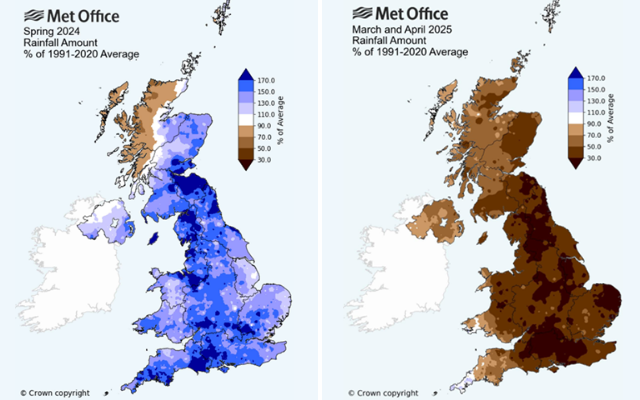
Having the privilege of working closely with produce raises the question: how can we continue to enjoy seasonally grown produce when the seasons themselves are changing? The demand for year-round produce is growing, yet we must also improve ecosystems and protect the natural world.
For producers, climate change is forcing a rethink of growing patterns. In the UK, alongside soil degradation and a biodiversity crisis, a month of excessive rain or drought could be catastrophic. These changing seasons may lead to shifts in the crops grown in different regions, particularly as we experience milder winters. Seasonality would remain, but with changes in growers, locations, and therefore, flavours. Within onions many farmers across the UK are reducing their commitment to the crop, planting less to reduce their financial risk, pushing us to look further afield for such a staple crop.
We know all too well that seasonality is crucial for taste. For example, the Yorkshire Forced Rhubarb season and the onset of strawberry season are exciting times. The delicious strawberries across the UK are a testament to the hard work of producers. Moving from field-grown to raised beds, into polytunnels, and using irrigation, technology has extended the traditional strawberry season from June and July to start in May and finish as late as September, whilst in greenhouses this is now all year round where we manipulate growing conditions. This raises the question: is this right? Are we asking too much of a product that our grandparents knew for only a short period, or are we simply making the best of a warming climate while trying to resolve the wider environmental issues?
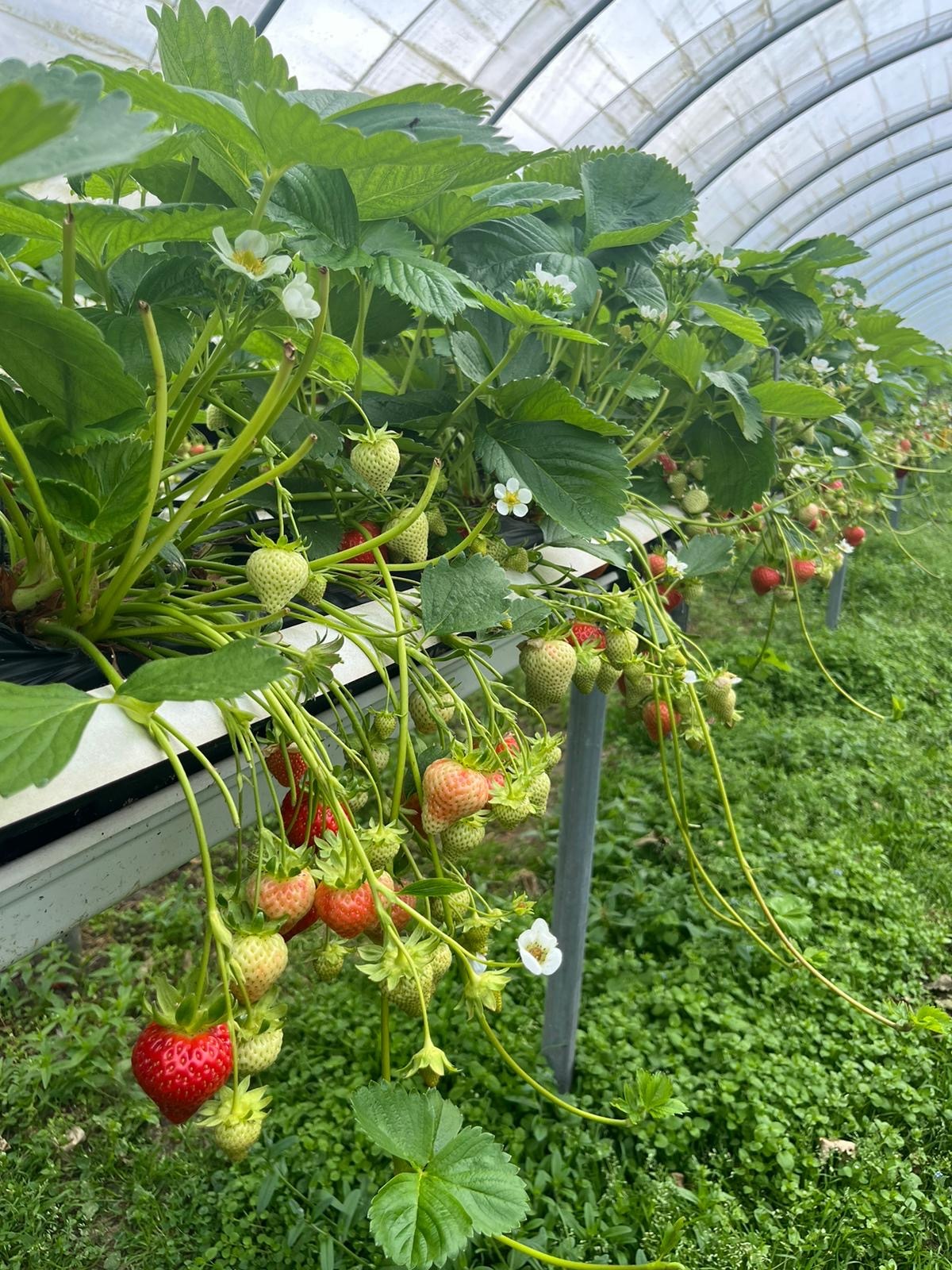
Eating products out of season has impacts beyond taste, including increased carbon emissions, biodiversity risks, and a collective miseducation about the foods we consume. There are also issues with quality, cost, and availability.
Conscious consumption of local, seasonal produce can help mitigate the impact of climate change and slow global warming. By favouring short supply chains and Agri-ecological production methods, we can improve the resilience of seasonal crops. Embracing practices that enhance resilience, and biodiversity is not just an option—it’s essential for survival.
How can farmers remain resilient when faced with such extreme events? The answer is complex, but it starts with innovation, adaptation, and protecting the ecosystems that sustain us. Resilience isn’t just about technology—it’s also about biodiversity. The ongoing biodiversity crisis, worsened by climate change and the demand for year-round produce, threatens the very foundation of our food system. The decline in pollinators, like bees, is a clear example. Their diminishing numbers, often exacerbated by increased pesticide use, directly impact crop yields, creating a vicious cycle that hampers food production.
As a business, supporting producers committed to reducing their environmental footprint is critical. Even as seasons shift, preserving the essence of seasonal products remains key, whether that means a slightly altered timeframe or looking to varieties with greater resistance. Occasionally, there is little we can do to balance with mother nature, as highlighted by the shortened season of Spanish peppers due to rapidly climbing temperatures, forcing us to move to suppliers in cooler climates.
The future of our food system will depend on how we collectively respond to global warming and its challenges. To maintain a steady supply of nutritious, delicious food, we must act now, with seasonality at the heart of a more balanced food system. Balancing innovation with respect for the environment and the natural cycles that sustain us is essential.